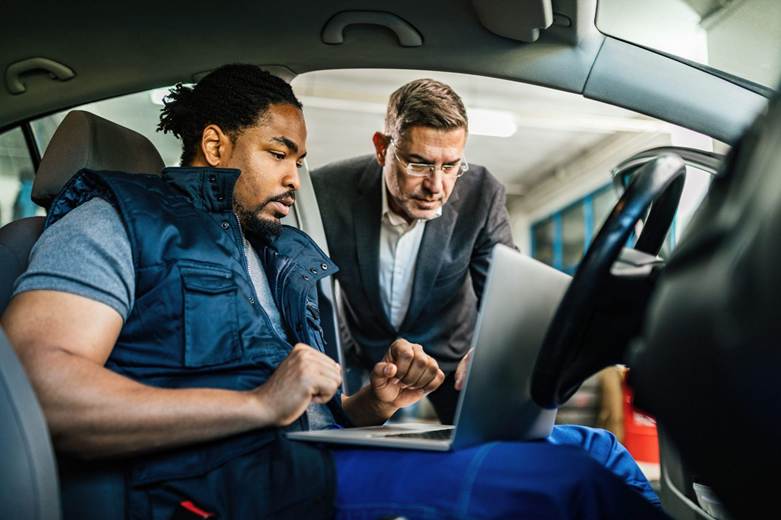
Amid rapid changes across automotive retail, Ethos Group reviews how continuous learning contributes to stronger dealership performance. From evolving compliance requirements to advancing vehicle technologies and changing customer expectations, ongoing education is becoming an essential component of workforce development and operational success.
Continuous learning has emerged as one of the most important strategies for addressing this challenge. Rather than treating training as a one-time event during onboarding, many dealerships are embracing ongoing development programs that support employees throughout their careers. This approach helps teams stay informed, improve performance, and deliver stronger customer experiences.
In today’s competitive marketplace, continuous learning is no longer simply a professional development initiative. It has become a business strategy that can influence customer satisfaction, compliance, employee retention, and long-term organizational success.
The Automotive Industry Never Stands Still
Few industries have experienced change as rapidly as automotive retail. New technologies, evolving financing options, and increasingly sophisticated customer expectations require dealership employees to remain current in multiple areas of expertise.
Employees may need to understand:
- New vehicle features and technologies
- Digital retailing tools
- Compliance requirements
- Customer communication best practices
- Financing and protection product updates
- Service and maintenance innovations
Without ongoing education, knowledge gaps can develop quickly. These gaps may affect productivity, customer confidence, and overall dealership performance.
Continuous learning helps employees remain prepared for industry developments while reducing the risk of outdated processes and information.
Improving Customer Interactions Through Knowledge
Customers often arrive at dealerships with more information than ever before. Online research tools provide access to vehicle comparisons, pricing data, financing calculators, and consumer reviews before a customer ever visits a showroom.
As a result, dealership employees must be prepared to provide value beyond basic product information.
Ongoing training helps employees:
- Answer customer questions more effectively
- Explain complex vehicle technologies
- Communicate financing options clearly
- Provide informed recommendations
- Build credibility during customer interactions
Knowledgeable employees can help create more confident purchasing experiences, which may contribute to stronger customer satisfaction and long-term loyalty.
When customers feel supported throughout the buying process, trust often becomes easier to establish and maintain.
Supporting Compliance Through Ongoing Education
Regulatory compliance remains a critical responsibility across dealership operations. Requirements related to consumer protection, financing, privacy, workplace safety, and employment practices continue to evolve.
Maintaining compliance requires more than policies and procedures alone. Employees must understand how regulations apply to their daily responsibilities.
Continuous education can support compliance efforts by:
- Reinforcing regulatory requirements
- Providing updates on industry changes
- Clarifying documentation expectations
- Improving process consistency
- Reducing the likelihood of preventable mistakes
Training programs help create a culture of accountability while supporting operational consistency across departments.
As regulations continue to change, ongoing learning becomes an important tool for reducing organizational risk.
Strengthening Employee Confidence and Engagement
Employees who receive regular advancement opportunities often feel more confident in their roles. Greater confidence can improve performance while encouraging stronger engagement with customers and coworkers.
Professional development initiatives may include:
- Leadership workshops
- Product knowledge training
- Customer service education
- Sales and communication courses
- Compliance certifications
- Technology training programs
These opportunities demonstrate an investment in employee growth while helping individuals build valuable career skills.
Employees who see opportunities for advancement and development may also be more likely to become the future leaders of the organization.
Building Stronger Leadership Pipelines
Leadership development is an important component of continuous learning. As experienced leaders retire or move into new roles, dealerships need a reliable pipeline of talent prepared to step into positions of greater responsibility.
Developing future leaders requires more than identifying high-performing employees. It involves providing structured opportunities for growth and skill development.
Effective leadership development programs often focus on:
- Decision-making skills
- Team management techniques
- Conflict resolution strategies
- Communication effectiveness
- Operational knowledge
- Strategic thinking
These capabilities help prepare employees for future leadership opportunities while supporting succession planning efforts.
Organizations that invest in leadership development are often better positioned to navigate change and maintain operational stability.
Adapting to Technology-Driven Change
Technology continues to transform dealership operations. From customer relationship management systems to digital retailing platforms and advanced analytics tools, employees are increasingly expected to work within technology-driven environments.
Training helps ensure technology investments achieve their intended value.
Areas where learning can support technology adoption include:
- Software implementation
- Digital communication tools
- Data management practices
- Online customer engagement
- Workflow automation systems
When employees understand how to use technology effectively, dealerships often experience greater efficiency and stronger operational performance.
Technology alone does not create results. Success depends on the ability of employees to leverage those tools effectively.
Creating a Culture of Continuous Improvement
One of the most significant benefits of continuous learning is its impact on organizational culture. Learning-focused environments often encourage curiosity, innovation, and collaboration.
Characteristics of learning-oriented cultures may include:
- Openness to new ideas
- Regular feedback and coaching
- Shared problem-solving
- Professional growth opportunities
- Commitment to operational excellence
These cultural attributes can contribute to stronger employee engagement while supporting long-term business performance.
Over time, organizations that prioritize learning often develop greater adaptability in response to industry change.
Looking Ahead
As automotive retail continues to evolve, the importance of continuous learning is likely to grow. New technologies, changing regulations, and shifting consumer expectations will require employees to expand their knowledge and skills continuously.
Dealerships that embrace ongoing development may find themselves better equipped to adapt to change while maintaining high levels of performance and customer satisfaction.
Rather than viewing training as a periodic requirement, successful organizations increasingly recognize it as an ongoing investment in both people and performance.
Conclusion
Continuous learning has become a foundational element of modern dealership operations. It supports stronger customer interactions, reinforces compliance efforts, improves employee engagement, and helps prepare future leaders.
In an industry defined by constant change, the ability to learn, adapt, and grow may be one of the most valuable competitive advantages a dealership can develop. By creating environments that prioritize ongoing education, organizations can build more resilient teams and position themselves for long-term success.